Common Mistakes Homeowners Make With DIY Hardwood Floor Installation
Homeowners seeking to avoid common mistakes with DIY hardwood floor installation can benefit from local contractors who specialize in expert installation and quality craftsmanship.
Homeowners considering a DIY hardwood floor installation often encounter common mistakes that can impact the final result. Whether it's improper subfloor preparation, choosing the wrong type of wood, or neglecting proper acclimation, these errors can lead to costly repairs or uneven flooring. Property owners in the area who want to ensure a smooth, professional-looking finish may find it helpful to explore how local contractors specialize in avoiding these pitfalls, providing expert guidance and quality workmanship.
Understanding the potential pitfalls of a DIY approach highlights the value of working with experienced service providers. Local contractors offer the skill and knowledge to handle tricky aspects of hardwood floor installation, helping property owners achieve durable and visually appealing results. Keep reading to learn about the most common mistakes homeowners make and how partnering with local professionals can make the process easier and more successful.
- Hardwood Floor Installation - homeowners may encounter issues with improper subfloor preparation, which local contractors can address to ensure a stable foundation.
- Hardwood Floor Installation - mistakes like incorrect acclimation of materials can lead to warping, a problem experienced by those who attempt DIY installation without expert guidance.
- Hardwood Floor Installation - uneven installation resulting from misaligned planks can be avoided by relying on local pros who use precise tools and techniques.
- Hardwood Floor Installation - improper finishing and sealing can cause damage over time, but experienced service providers know how to apply finishes correctly.
- Hardwood Floor Installation - failure to follow manufacturer guidelines may lead to installation errors, which local contractors are trained to prevent through proper procedures.
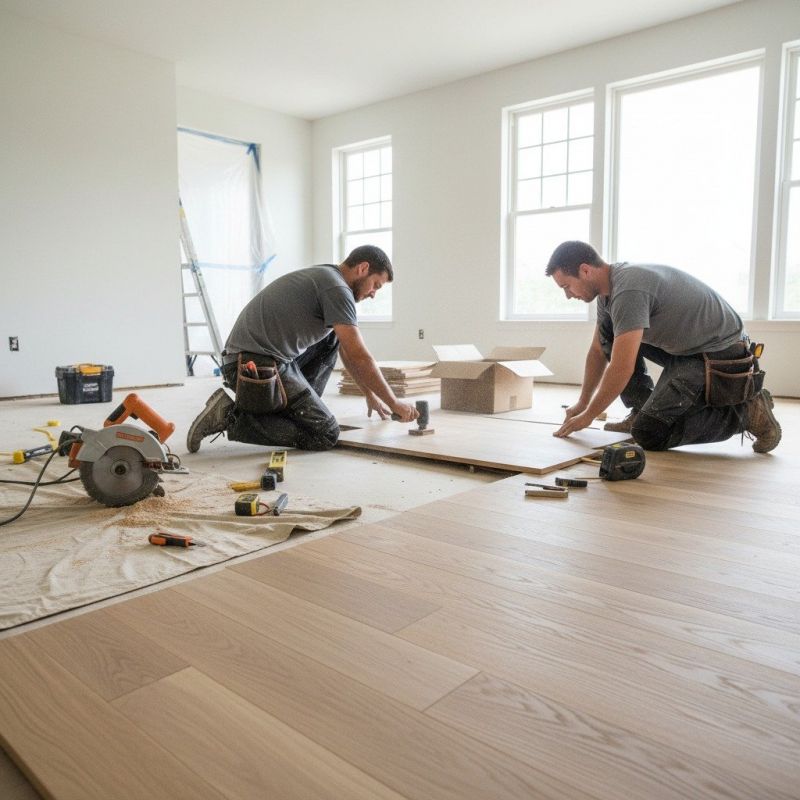
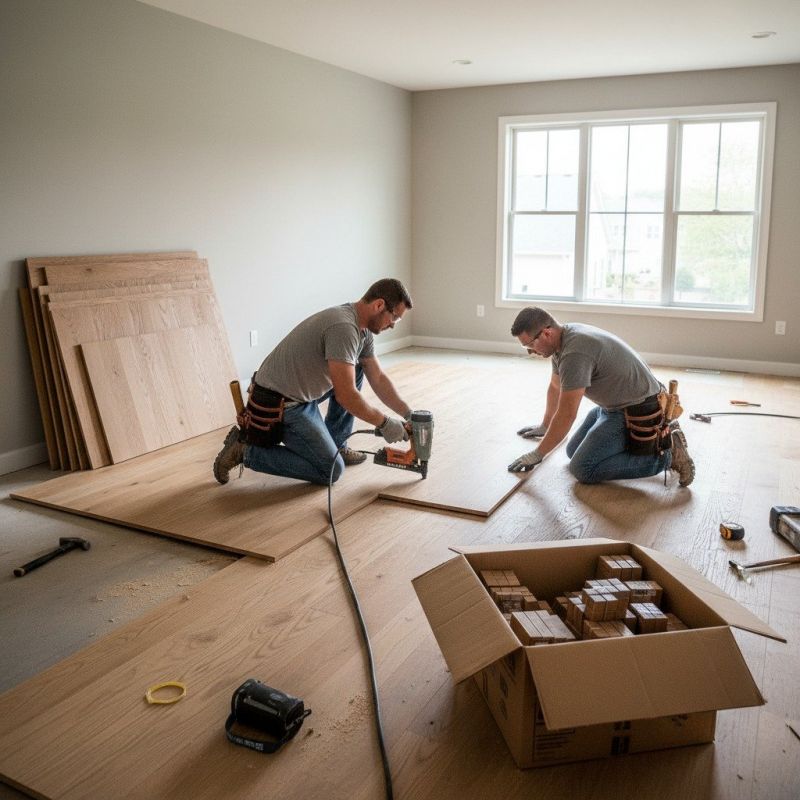
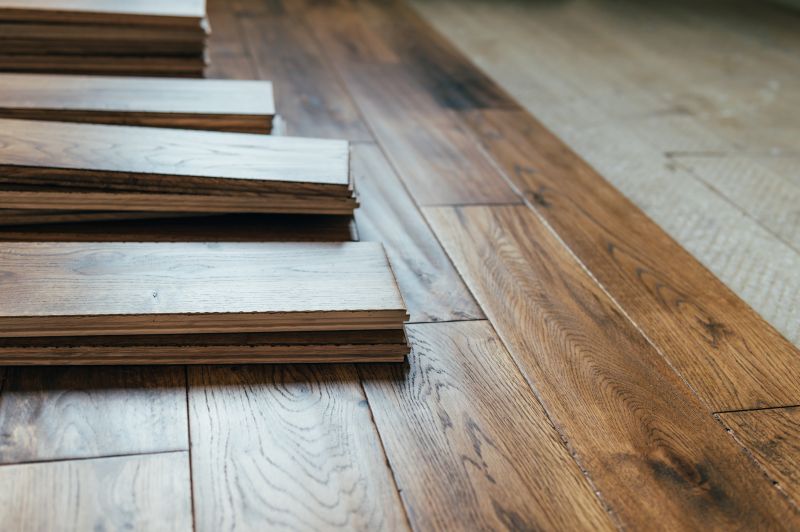
When homeowners search for information about common mistakes with DIY hardwood floor installation, they often are planning a project to upgrade or renovate a specific property. These searches typically relate to residential homes, including single-family houses, townhomes, and sometimes multi-unit buildings. The focus is usually on avoiding costly errors that can compromise the appearance, durability, or safety of the new flooring. Many property owners aim to handle the installation themselves to save money or enjoy a hands-on approach, but they may lack experience with the nuances of hardwood flooring. Understanding these common pitfalls helps homeowners recognize where professional service providers can step in to ensure a smooth, successful project.
The problems associated with DIY hardwood floor installation often stem from overlooked details or improper techniques. For example, inadequate preparation of the subfloor, failure to acclimate the wood properly, or rushing the installation process can lead to issues like warping, buckling, or gaps over time. Property types that frequently come up in these contexts include older homes with uneven subfloors, new constructions with expansive spaces, or homes with specific design features requiring precise fitting. These properties demand careful planning and execution, which can be challenging for homeowners unfamiliar with the intricacies of hardwood flooring. Local contractors experienced in hardwood installation can assess property conditions and help avoid these common mistakes.
Many homeowners also underestimate the importance of proper material handling and storage before installation. Improper storage can cause the wood to expand or contract unexpectedly, leading to problems once the flooring is laid. Additionally, not following manufacturer guidelines for installation or neglecting to check for moisture levels can result in long-term damage. These issues are especially relevant in properties with high humidity or variable climate conditions. Homeowners who are aware of these potential problems often find that bringing in professional service providers can help manage these factors effectively, ensuring the flooring remains stable and visually appealing for years to come.
Finally, a significant mistake in DIY hardwood floor installation is rushing through the project without thorough planning or understanding of the process. This can manifest as poor layout decisions, improper seam placement, or inadequate finishing. Such errors can diminish the overall look and lifespan of the floor. Properties with complex layouts, multiple rooms, or unique architectural features require precise planning and execution, which can be difficult for homeowners to manage alone. Local service providers specializing in hardwood flooring can assist with design advice, proper installation techniques, and finishing touches-helping property owners achieve a professional-quality result without the risks associated with DIY mistakes.
Subfloor Preparation - proper subfloor preparation is essential for hardwood flooring, and local contractors skilled in subfloor assessment can help prevent installation issues caused by uneven or unstable surfaces.
Measuring and Planning - accurate measurement and layout planning are crucial skills that local service providers can assist with to avoid mistakes like improper spacing or misaligned planks.
Tool Usage and Safety - using the right tools safely is vital in flooring projects, and experienced local pros can ensure tools are used correctly to prevent damage or injury.
Acclimation and Moisture Control - understanding how to properly acclimate hardwood and manage moisture levels is a common challenge that local experts can guide homeowners through effectively.
Cutting and Fitting - precise cutting and fitting of planks are necessary for a seamless look, and local contractors have the skills and equipment to handle complex cuts accurately.
Finishing Techniques - achieving a professional finish involves proper sanding and sealing, areas where local flooring specialists can help avoid common DIY mistakes that affect durability and appearance.
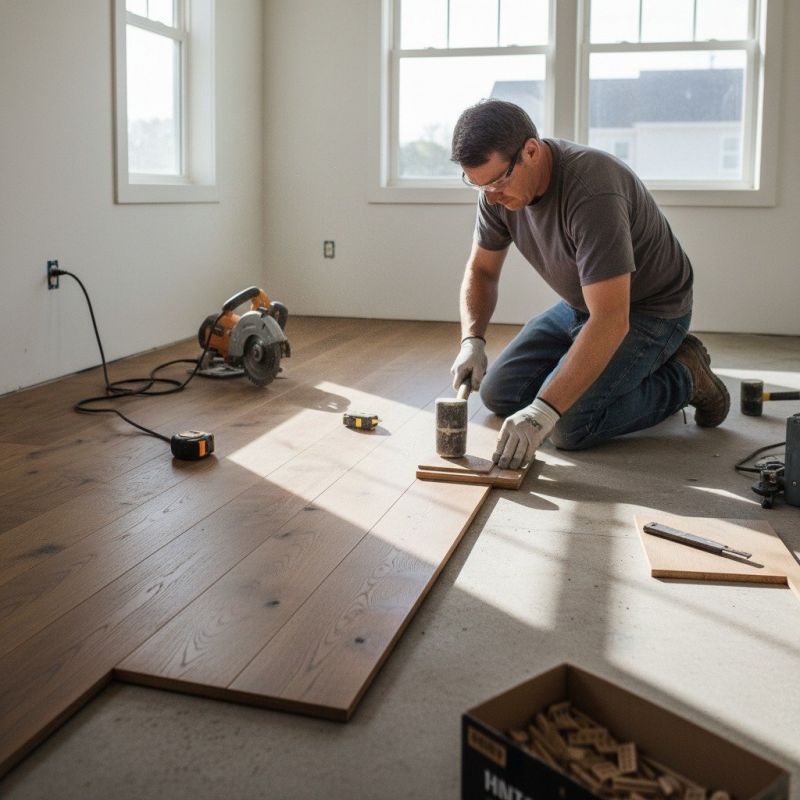
When comparing local contractors for hardwood floor installation, it’s important to consider their experience with similar projects. Homeowners should inquire about the types of flooring work the service providers have completed in the past and whether they have successfully handled installations comparable in scope and complexity. A contractor with a proven track record in hardwood flooring can better anticipate potential challenges and avoid common mistakes homeowners make with DIY hardwood floor installation, such as improper subfloor preparation or incorrect acclimation of materials.
Clear, written expectations are essential when evaluating potential service providers. Homeowners should seek detailed proposals that outline the scope of work, materials to be used, and the installation process. This helps ensure everyone is aligned on the project’s goals and reduces misunderstandings that can lead to mistakes like uneven flooring or unsatisfactory finishes. Reputable local contractors often provide thorough documentation, which can serve as a reference throughout the project to keep expectations realistic and transparent.
Good communication is a key factor in selecting a reliable service provider. Homeowners should look for contractors who are responsive and willing to answer questions openly, providing guidance on best practices and potential pitfalls. Reputable local pros typically keep homeowners informed about progress and any issues that arise, helping to prevent errors caused by miscommunication or lack of clarity. Checking references or reviews can also offer insight into how well a contractor communicates and collaborates, which is crucial for ensuring the installation process proceeds smoothly and avoids common DIY mistakes.
Property owners often search for common mistakes homeowners make with DIY hardwood floor installation when they are planning practical projects around their homes and businesses. Local pros provide Hardwood Floor Installation services for everyday jobs and straightforward project options.
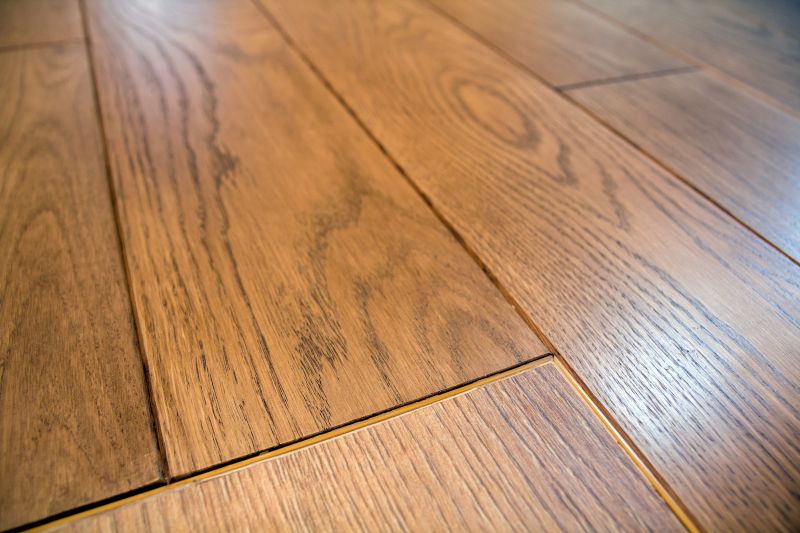
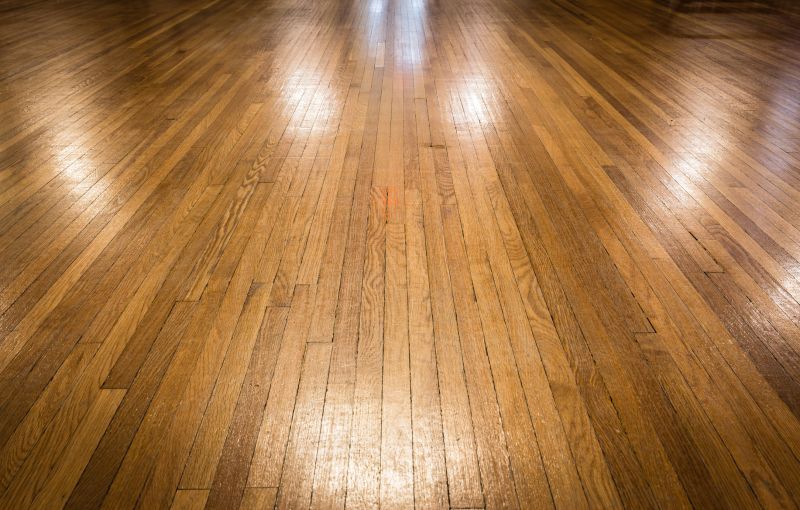
Homeowners attempting DIY hardwood floor installation often encounter common mistakes that can impact the final look and durability of the flooring. One frequent issue is improper subfloor preparation, which can lead to uneven surfaces or future squeaking, making the project more challenging to complete successfully. Additionally, many property owners underestimate the importance of acclimating the hardwood planks to the environment before installation, resulting in gaps or buckling once the floors settle. These everyday project situations highlight the value of consulting with local contractors who have experience in proper installation techniques, ensuring the job is done right the first time.
Choosing the wrong installation methods or rushing through steps are typical pitfalls for DIY enthusiasts. For example, not leaving adequate expansion gaps or failing to stagger planks properly can create problems down the line. Such mistakes can compromise the overall appearance and longevity of the hardwood floors. To avoid these issues, many property owners in the area look to local service providers who specialize in hardwood floor installation, offering professional expertise that helps achieve a smooth, durable finish. Connecting with these local contractors can provide peace of mind and results that stand the test of time.
What is a common mistake homeowners make when preparing subfloor surfaces? Many homeowners overlook the importance of properly leveling and cleaning the subfloor, which can lead to uneven flooring and gaps. Hiring local contractors ensures the subfloor is correctly prepared before installation.
Why is choosing the wrong type of hardwood flooring a mistake? Selecting unsuitable hardwood for the home's environment or usage can cause warping or damage over time. Professional service providers can recommend the best flooring types for specific conditions.
How does improper acclimation affect hardwood floor installation? Failing to allow hardwood planks to acclimate to indoor conditions can result in expansion or contraction after installation. Local experts typically handle acclimation to prevent these issues.
What mistake is often made with layout and pattern planning? Poor planning of the layout can lead to awkward seams or uneven appearance. Experienced contractors can help design a pattern that maximizes aesthetic appeal and minimizes waste.
Why is neglecting proper installation techniques a problem? Skipping steps like correct nail or adhesive application can compromise the floor’s stability. Professional service providers ensure installation follows best practices for durability and appearance.
Skipping proper subfloor preparation - ensuring the subfloor is clean, level, and dry helps prevent future issues like warping or squeaking, and local contractors can handle this step effectively.
Ignoring acclimation of hardwood planks - allowing flooring materials to adjust to the home's environment reduces the risk of expansion or contraction after installation, which local pros can manage.
Overlooking the importance of correct spacing and expansion gaps - leaving adequate space around the edges allows for natural movement, and experienced service providers can ensure proper spacing.
Neglecting professional guidance on finishing and sealing - proper application of finishes protects the flooring and enhances durability, making professional expertise valuable in this phase.
If you are thinking about common mistakes homeowners make with DIY hardwood floor installation for a property, this guide is meant to help you understand this topic, the typical project types, and how different options might fit your plans.
When you are ready, you can use the quote form on this page to share a few details about your project. From there, local pros can review the basics and follow up with options that match what you have in mind.